
EV Charger Installation in Sahuarita, AZ
Plugging an electric car into an ordinary garage outlet works, but slowly. Overnight, it may not replace what a long commute up I-19 used during the day. A dedicated charger on its own 240-volt circuit changes that. PNLS Electric LLC installs home EV chargers in Sahuarita, from sizing the circuit to mounting the unit where your car actually parks.
Standard Outlet or Dedicated Charger
Electric vehicles come with a cord that plugs into a regular 120-volt outlet. That is Level 1 charging, and it adds roughly 3 to 5 miles of range per hour. For a driver who covers short distances and parks for twelve hours a night, that can be enough.
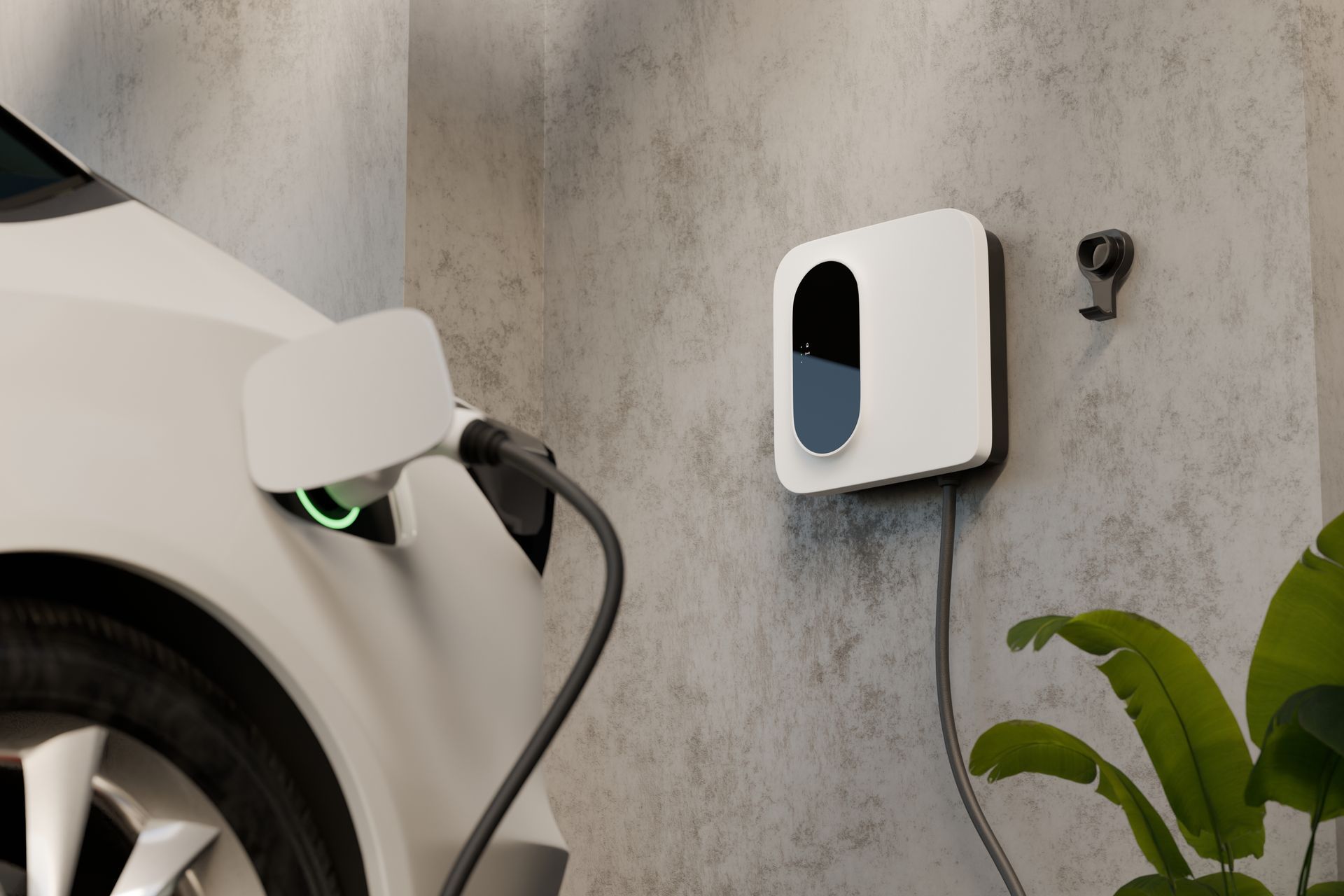
Level 2 charging runs on 240 volts, the same type of circuit that powers an electric dryer or range. Depending on the charger and the car, it adds roughly 20 to 40 miles of range per hour. Most drivers who switch to Level 2 stop thinking about charging altogether, because the battery is full by morning no matter how the day went.

What Goes Into an Installation
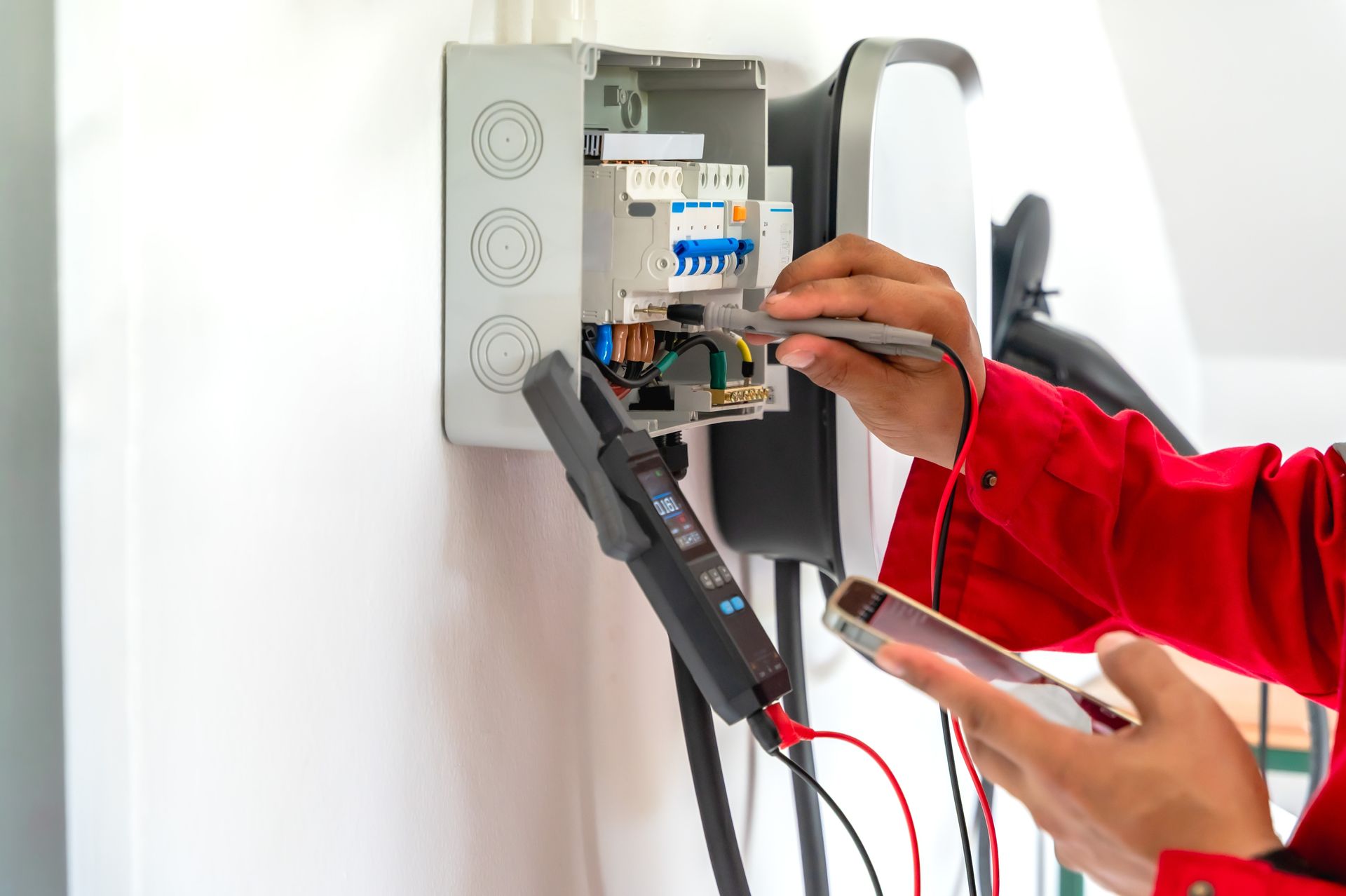
The panel comes first. A Level 2 charger needs an open space for a two-pole breaker and enough spare capacity to carry a load that may run for hours at a stretch. A load calculation compares what the house already draws (air conditioning, water heater, range, dryer, pool pump) against what the service can supply.
Next is the circuit itself. Electrical code treats EV charging as a continuous load, so the circuit is sized at 125 percent of what the charger draws. A charger set to 40 amps needs a 50-amp circuit. One set to 48 amps needs 60. The wire gauge follows from that.
Then there is the route. A charger mounted on the garage wall right next to the panel is a short, simple run. A charger at the far end of a detached garage, on a carport post, or beside the driveway means a longer run, often through conduit, and sometimes trenching.
Last comes the connection. Some chargers plug into a 240-volt receptacle. Others are wired directly to the circuit. The choice affects how much power the charger can deliver and how easy it is to swap units later.
When the Panel Needs Attention First
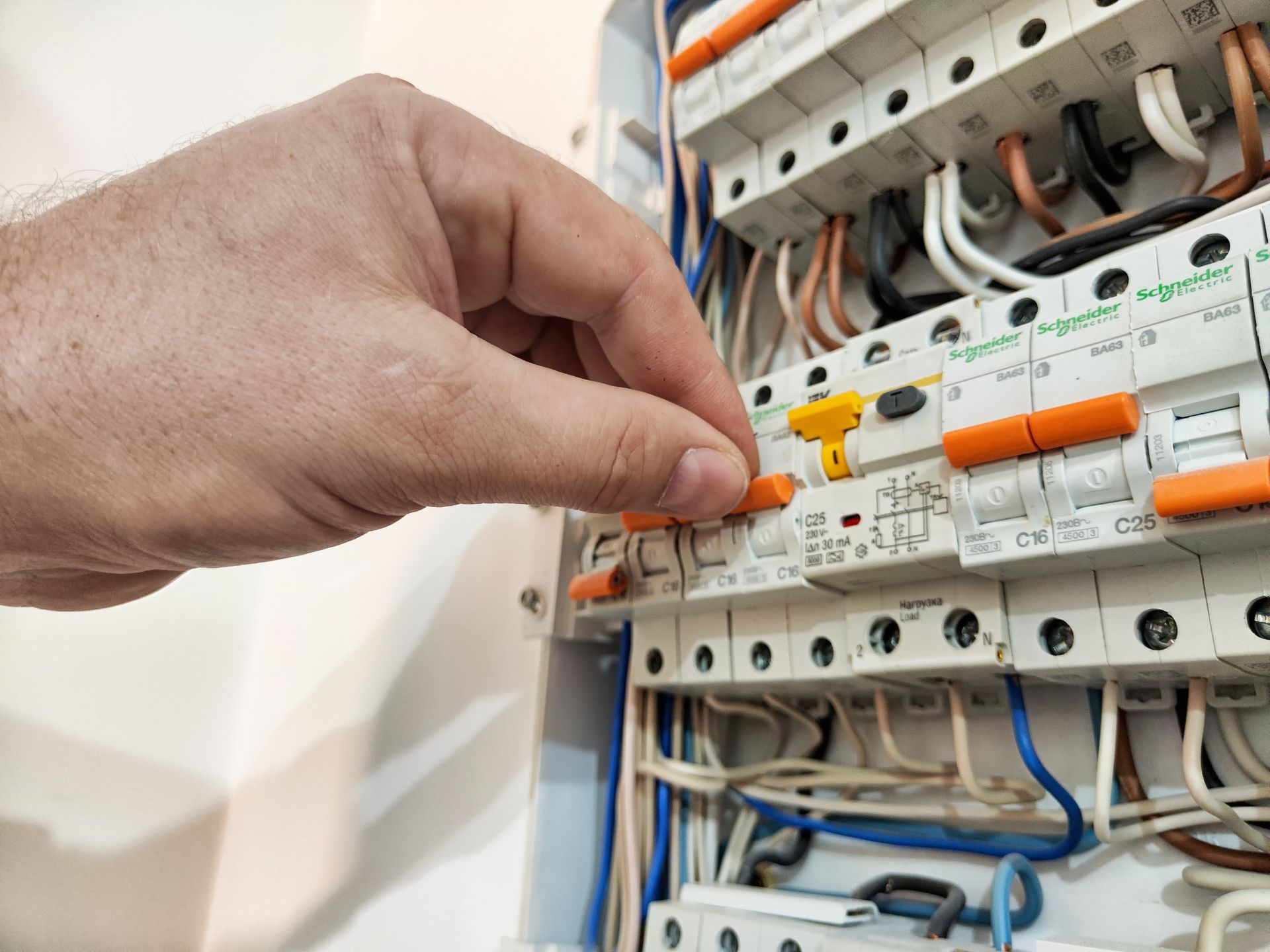
Plenty of homes in the area have panels with no open breaker spaces, or a service that is already close to its limit on a July afternoon. Adding a charger to that panel without changes would mean nuisance trips at best. In those cases the first step is upgrading or replacing the panel so it can carry the new load with room to spare..
Charging Outdoors in Southern Arizona
Not every home has a garage. Carports and driveways work too, but outdoor installations need equipment rated for weather and direct sun, conduit that protects the wiring, and a mounting spot that keeps the cable off walkways. Shade helps. Summer surface temperatures on a west-facing wall can climb well past what the air temperature suggests, and many chargers reduce their output when they get hot.
If a charger you already own keeps tripping its breaker or shutting off mid-session, the problem may be in the wiring rather than the unit. That calls for tracking down the electrical fault before anything gets replaced.
Where PNLS Electric Installs Chargers
The company works out of Sahuarita in Pima County. Owners in Tucson, South Tucson, and Benson are welcome to reach out about an installation at their home. For everything else PNLS Electric handles, see the overview of residential electrical work.
EV Charger Questions
How fast will a home charger fill my battery?
That depends on two limits: the circuit and the car. A charger on a 60-amp circuit can deliver up to 48 amps, about 11.5 kilowatts. But each vehicle has an onboard charger with its own ceiling, commonly somewhere between 7 and 11.5 kilowatts. The car accepts whichever number is lower, so a bigger circuit only helps if the car can use it.
Should the charger be plugged in or hardwired?
A plug-in charger on a NEMA 14-50 receptacle is easy to replace or take with you if you move, but it tops out at 40 amps on a 50-amp circuit. A hardwired charger can run at 48 amps on a 60-amp circuit and avoids wear on a receptacle that gets plugged and unplugged. If you want the fastest home charging your car supports, hardwired usually wins.
Can a charger go in without a panel upgrade?
Often, yes. A 200-amp panel with open breaker spaces usually has room for a 40- or 48-amp charger. A 100-amp panel in a home that also runs central air, an electric range, and an electric dryer may not. A load calculation answers the question with numbers rather than guesses.
Where is the best place to mount the charger?
Close to where the car's charge port ends up when you park. Most charger cables run 18 to 25 feet, so check which side of the car the port is on before choosing a wall. Mounting near the panel shortens the wire run and lowers the cost, but only if it still reaches the car comfortably.
Can one setup charge two electric cars?
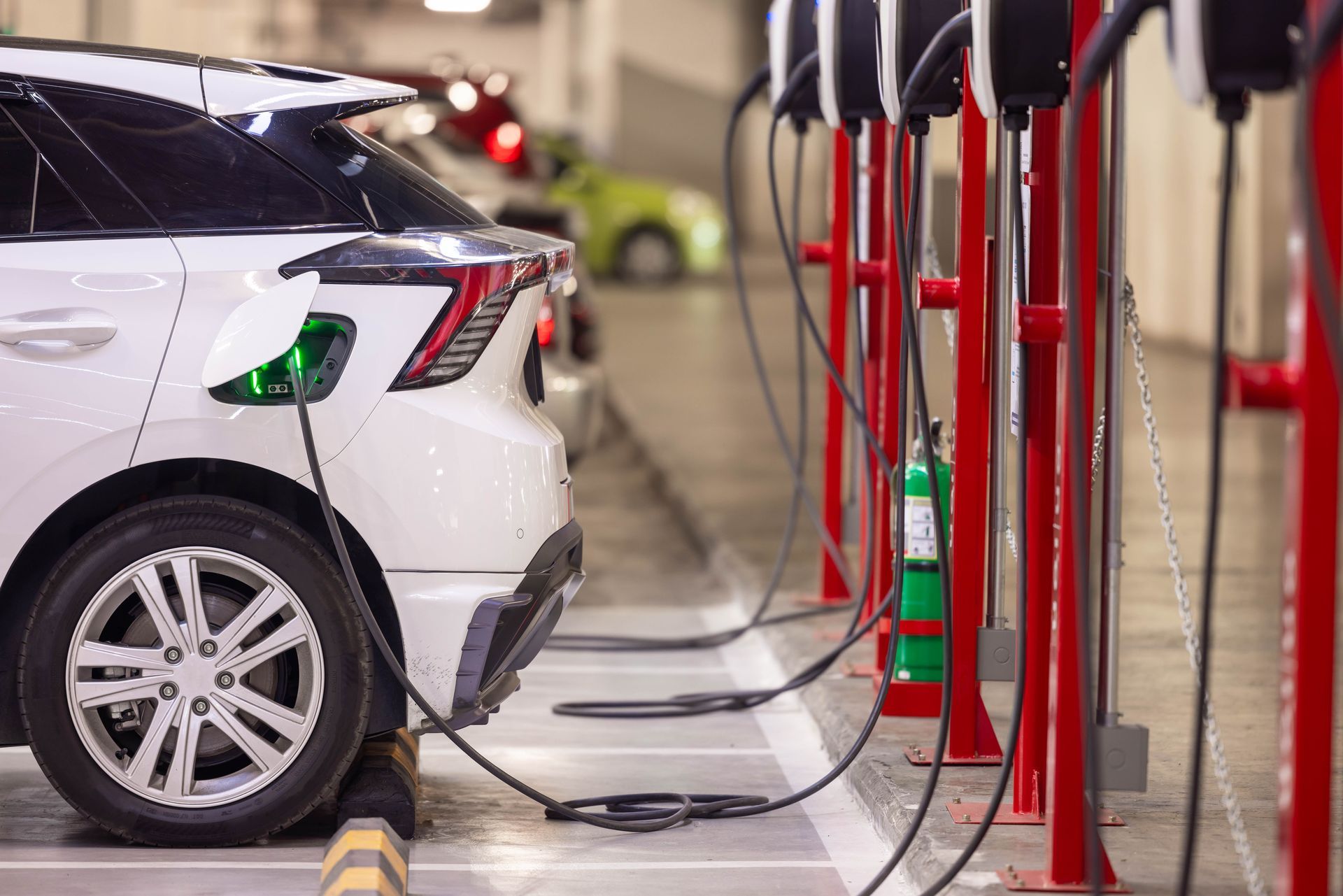
Yes. Some chargers come with two cables. Others can be linked so two units share a single circuit and split the available power between them, giving each car a full charge overnight without adding a second large circuit to the panel.